Vinyl vs fiber cement siding is the most common choice our customers weigh. Both look great when installed well, both last for decades, and both are a big step up from aging wood. The difference comes down to budget, upkeep, safety and how long you plan to stay in the house. Here is a straight comparison, with the East Tennessee details that matter.
In this article
Vinyl vs fiber cement siding at a glance
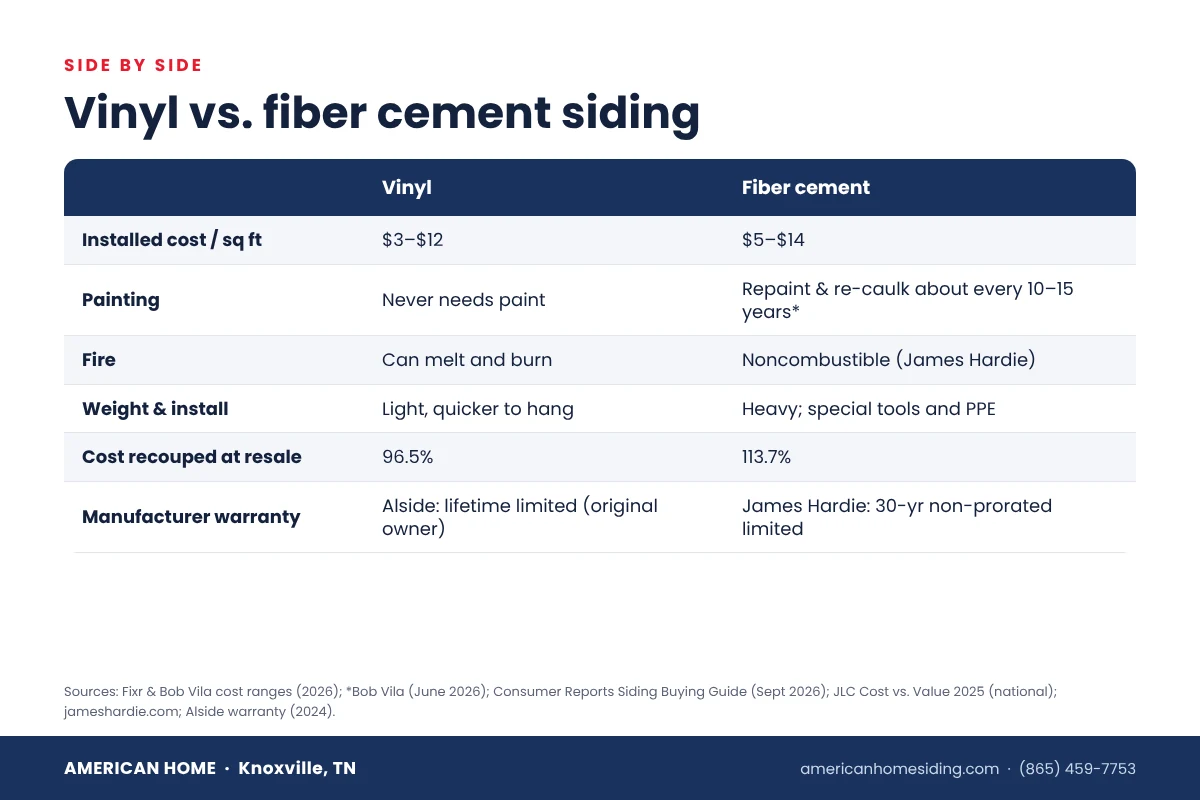
| Vinyl | Fiber cement (James Hardie) | |
|---|---|---|
| Installed cost | About $3–$12 per sq ft | About $5–$14 per sq ft |
| Painting | Never needs paint | Factory finish; repaint and re-caulk over time |
| Fire | Can melt and burn | Noncombustible |
| Weight | Light and quick to install | Heavy; needs special tools and skills |
| Resale (2025, national) | About 97% of cost recouped | About 114% of cost recouped |
| Warranty | Alside: lifetime limited for the original owner | James Hardie: 30-year non-prorated limited |
Cost: vinyl wins up front
Vinyl is usually the lower-cost option. Bob Vila and Fixr both put installed vinyl at about $3–$12 per square foot and fiber cement at about $5–$14. Fiber cement boards are heavier and slower to cut and hang, so labor is a bigger share of the price. For a full breakdown, see our siding replacement cost guide.
Durability in East Tennessee weather
Knoxville averages about 48 inches of rain a year and sits in climate zone 4A, a mixed-humid climate with hot, sticky summers and freezing winter nights. That combination tests siding in different ways:
- Vinyl does not absorb water and will not rot. Consumer Reports notes it won’t warp or twist, but it can crack and it can melt near a strong heat source such as a grill.
- Fiber cement holds its shape and stands up to sun and insects. Consumer Reports cautions it can be damaged by water during freezes and thaws if its paint is allowed to break down, so the finish matters.
- Both depend on good installation. Water usually gets in where siding meets windows, doors and roof lines, not through the boards themselves.
James Hardie engineers its products for different climates, with an HZ5 line for freezing climates and an HZ10 line for hot, humid ones. Your installer should confirm the right product for your ZIP code.
Maintenance: how much work after install?
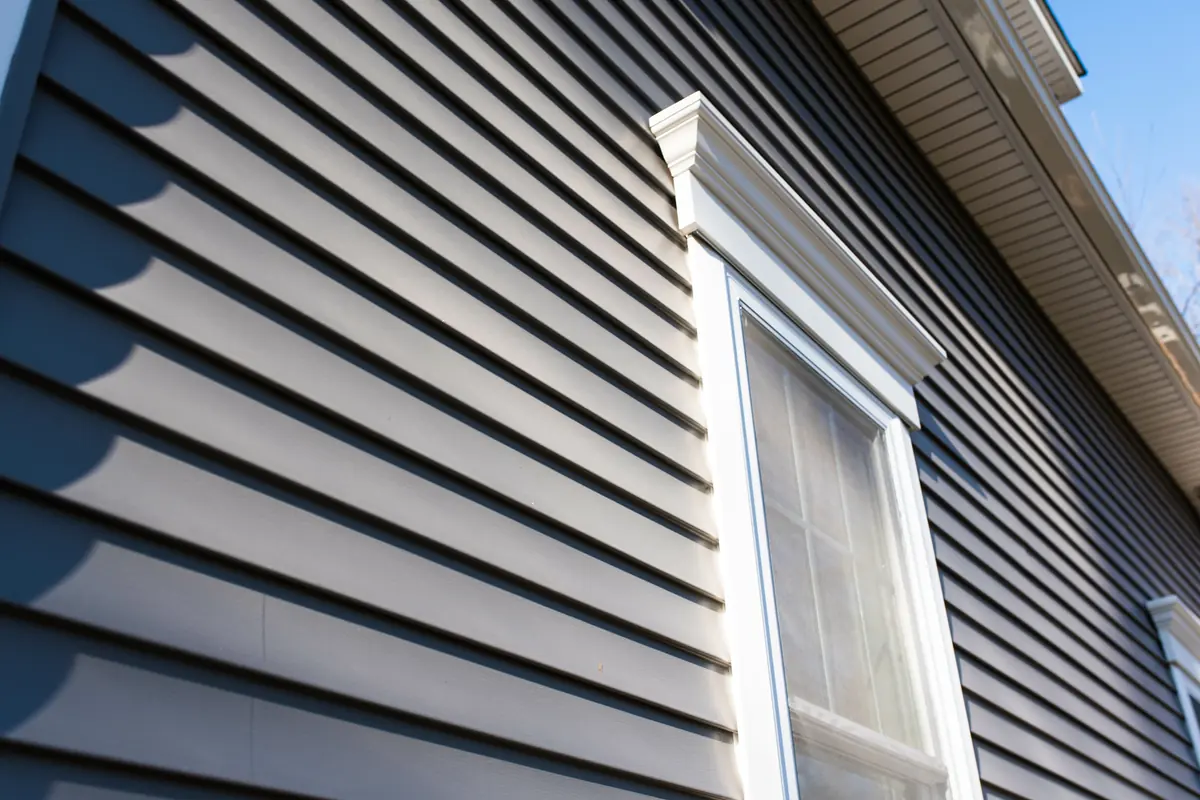
Vinyl needs no painting. An occasional rinse with a garden hose keeps it looking fresh. Fiber cement with a factory-baked finish, such as James Hardie ColorPlus, holds color well, but Bob Vila notes fiber cement generally needs repainting and re-caulking about every 10 to 15 years.
Fire safety and insurance
This is where fiber cement stands out. James Hardie states that its fiber cement products are noncombustible. Vinyl can melt and burn. If you live near woods or want the extra margin of safety, fiber cement is worth a close look.
Hail and storm performance
East Tennessee sees hail most springs, so it is fair to ask how each siding handles a storm. Neither material is hail-proof. Vinyl can crack or puncture, especially when it is cold, while fiber cement can chip or crack and then needs its paint touched up. Alside’s vinyl warranty covers hail damage for replacement materials only, and only after a homeowner’s insurance claim is denied, so your homeowners policy is still your main protection. Our hail damage siding guide explains what to look for after a storm.
Which adds more value to a Knoxville home?
Nationally, fiber cement siding replacement recouped about 114% of its cost at resale in the 2025 Cost vs. Value report, compared with about 97% for vinyl siding. In the East South Central region, which includes Tennessee, the numbers were lower, about 94% for fiber cement and 77% for vinyl, but fiber cement still came out ahead. If you plan to sell within a few years, that gap matters. If you plan to stay, low upkeep may matter more than resale math.
Looks and styles
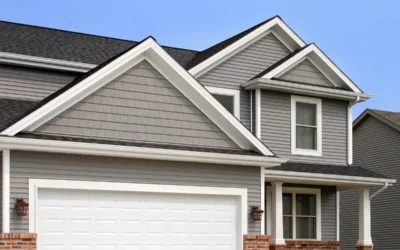
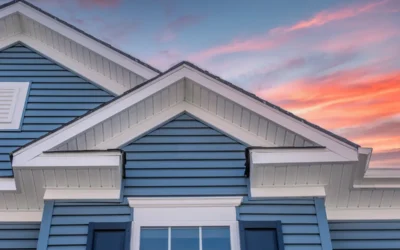
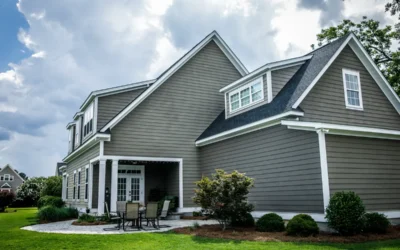
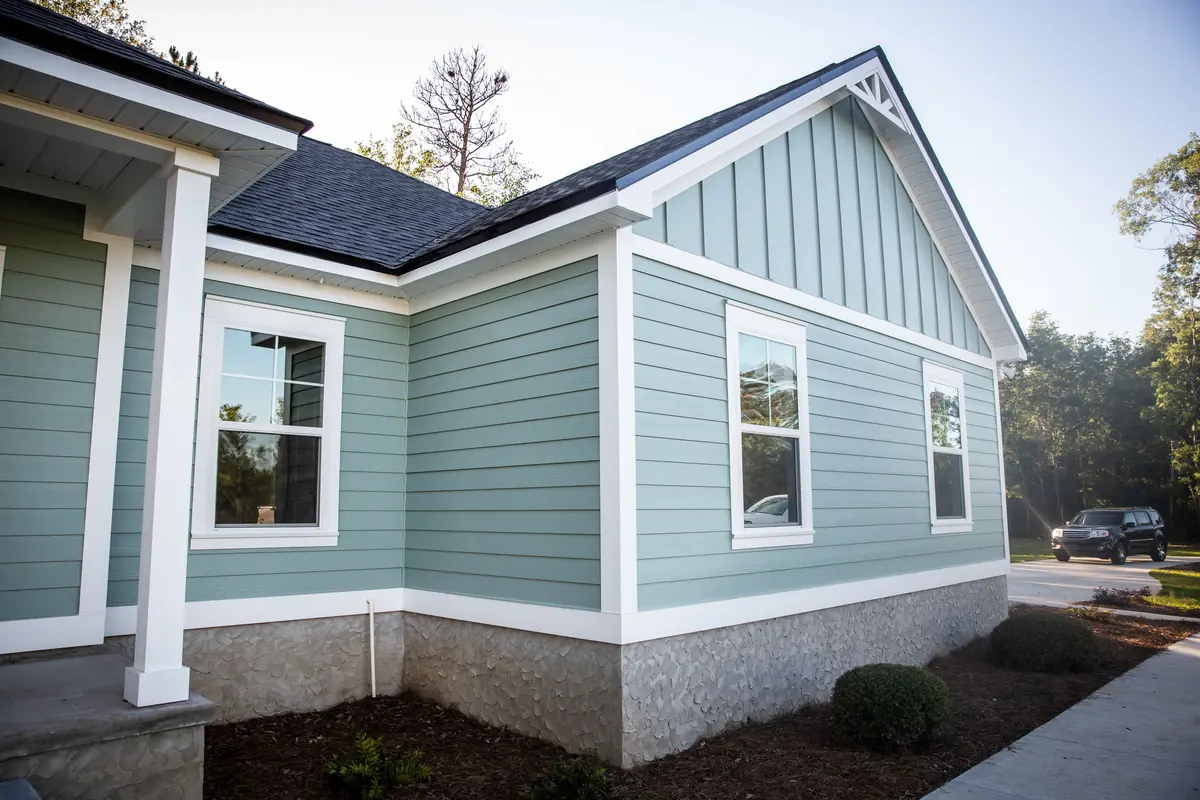
Both come in classic lap siding, Dutch lap and vertical board and batten. Fiber cement has deeper shadow lines and a texture closer to painted wood, which many homeowners prefer on Craftsman and farmhouse styles. Vinyl offers a wide color range with color that runs all the way through the panel, so scratches are less visible.
Warranty comparison
- Alside vinyl carries a lifetime limited warranty for the original owner. If the home is sold, it transfers once as a 50-year prorated warranty.
- James Hardie siding carries a 30-year non-prorated limited warranty, and its ColorPlus finishes carry a 15-year limited warranty.
Product warranties do not cover installation mistakes, so ask every contractor for their workmanship warranty in writing.
James Hardie vs vinyl siding: which should you choose?
Choose vinyl if you want the lowest up-front cost, zero painting and a quick install. Choose fiber cement if you want the look of painted wood, noncombustible siding and the strongest resale value. Want a third option? Composite siding like Everlast sits between the two. Read our Everlast siding review.
We install both every week. Learn more about our vinyl siding and James Hardie siding services.
See both side by side on your own house. Call (865) 459-7753 or book a free estimate. We bring real samples so you can compare colors and textures in daylight.
Vinyl vs fiber cement siding FAQ
Which lasts longer, vinyl or fiber cement siding?
Both can last for decades when installed correctly. Fiber cement can last 50 years with proper installation and upkeep, and quality vinyl carries lifetime limited warranties for the original owner.
Is fiber cement siding worth the extra cost?
For many homeowners who plan to stay put, yes. It recouped about 114% of its cost at resale nationally in the 2025 Cost vs. Value report, compared with about 97% for vinyl.
Does fiber cement siding need to be painted?
Pre-finished fiber cement comes painted from the factory. It will need repainting eventually, typically every 10 to 15 years, while vinyl never does.