Wondering when to replace siding? Siding rarely fails all at once. It fails quietly: a board that bows a little more each summer, a seam that lets in rain during a sideways storm, a soft spot nobody notices behind the shrubs. By the time most homeowners see the signs your siding needs replacing, water has often been getting behind it for a while.
Since 1997, our crews have removed old siding from more than 15,000 East Tennessee homes, so we know what tends to hide underneath it. Here are the seven warning signs we tell Knoxville homeowners to watch for, what we usually find when we open the wall, and how to decide between a repair and a full replacement.
In this article
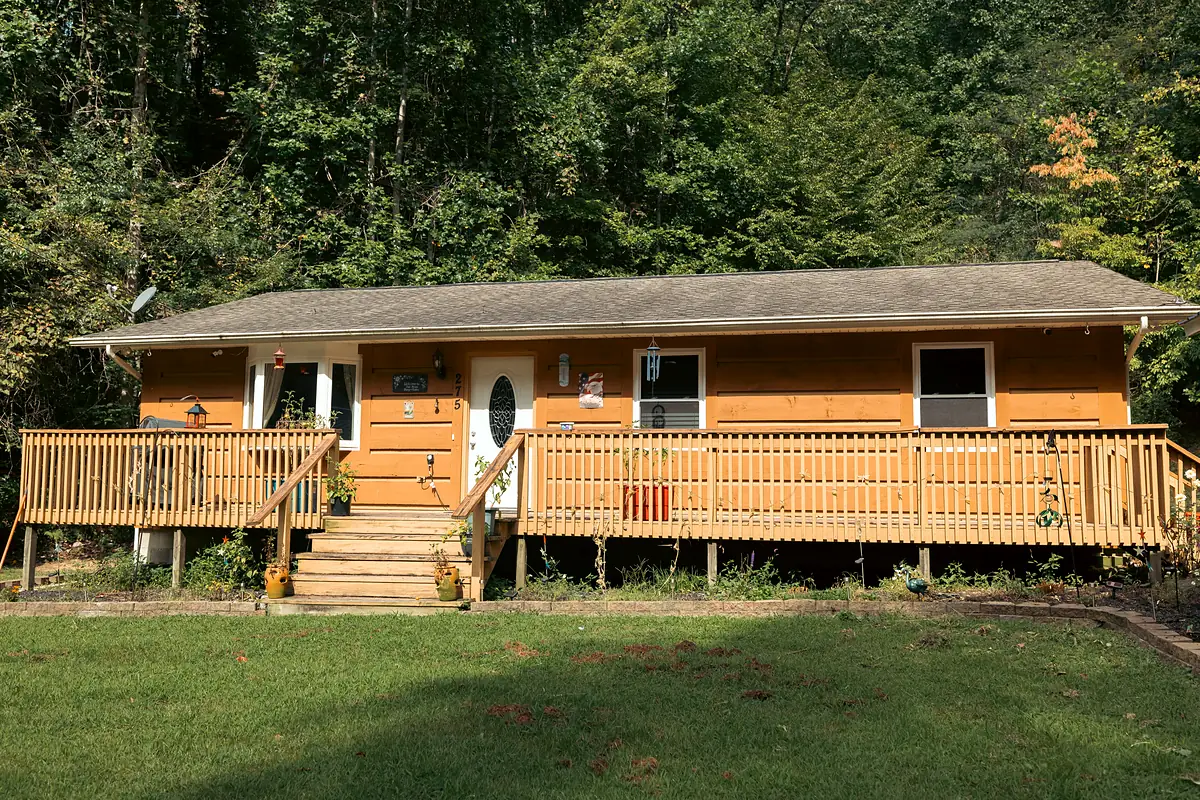
Why siding problems are easy to miss
Siding is your home’s raincoat. Its job is to shed water before it reaches the sheathing (the wood panels nailed to your wall framing). When a board cracks, a seam opens or flashing around a window fails, water slips behind the siding where you can’t see it. East Tennessee’s humid summers and heavy storms then keep that wood damp long enough for rot and mold to start.
From the street, the outside can still look fine. That is why it pays to walk around your house twice a year and look closely, especially on the sides that get the most sun and rain. Knowing the signs your siding needs replacing helps you catch damage early, while a simple repair may still be enough.
7 signs your siding needs replacing
1. Warped, buckled or bulging boards
Siding should lie flat. Waves, bulges or boards that pull away at the bottom usually mean one of two things: the siding was nailed too tight to expand and contract, or the wall behind it is swelling from moisture. Either way, gaps open up and let more water in.
2. Soft spots or rot
Press firmly on the siding and trim near the ground, under windows and around doors, or gently probe with a screwdriver. If it feels spongy, crumbles or the tip sinks in, the material is rotting. Rot on the surface almost always means the damage continues behind it.
3. Cracked, loose or missing pieces after a storm
Hail, wind and falling limbs can crack vinyl, chip fiber cement and knock panels loose. One or two damaged boards can often be repaired. Damage spread across several walls, or siding that keeps coming loose, points to a replacement.
4. Peeling paint or stained drywall inside
This is the sign homeowners most often miss. If paint or wallpaper is peeling, or drywall is stained, on an exterior wall inside your home, moisture may be getting through the siding and into the wall cavity.
5. Mold, mildew or dark streaks at seams
A little surface mildew on the shady side of the house is normal and washes off. Mold or dark staining that keeps coming back along seams, corners and window trim usually means water is sitting where it shouldn’t. The EPA’s guide to mold, moisture and your home explains why the key to mold control is stopping the moisture at its source.
6. Constant repainting or badly faded color
If you are repainting wood siding every few years, or your siding has faded unevenly, you are spending money to keep up a material that is near the end of its life. Modern options like fiber cement with a factory finish or quality vinyl need far less upkeep.
7. Drafty rooms and higher energy bills
Siding works with the house wrap and insulation behind it. When it is damaged or poorly sealed, outside air moves through the wall more easily. If certain rooms feel drafty and your heating and cooling bills keep climbing, your exterior walls are worth a look. ENERGY STAR’s guide to sealing and insulating explains how air leaks add to heating and cooling costs.
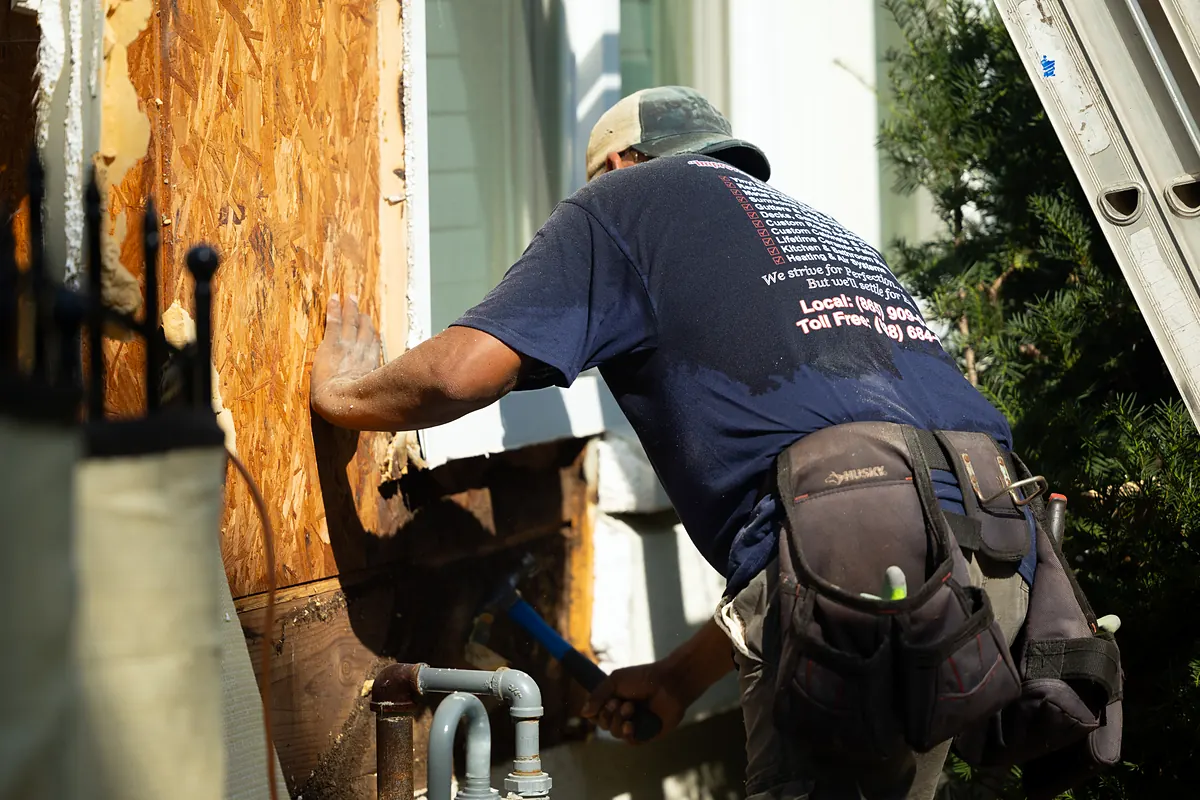
What we find behind old siding
When a homeowner calls us about the signs your siding needs replacing, removing the old siding is the moment of truth. On many older homes we find a mix of healthy wall and problem areas, usually around windows, doors, roof lines and anywhere gutters overflow. Here is how a proper replacement handles it:
- Tear-off. The old siding comes off down to the sheathing so every wall can be inspected.
- Inspect and repair. Soft or rotted sheathing is cut out and replaced so the new siding is fastened to solid wood.
- Weather barrier. House wrap goes on to stop wind-driven rain while letting the wall dry out.
- Flashing and trim. Windows, doors and corners are flashed and trimmed so water is directed away from openings.
- New siding. Panels are installed to the manufacturer’s instructions, with room to expand and contract.
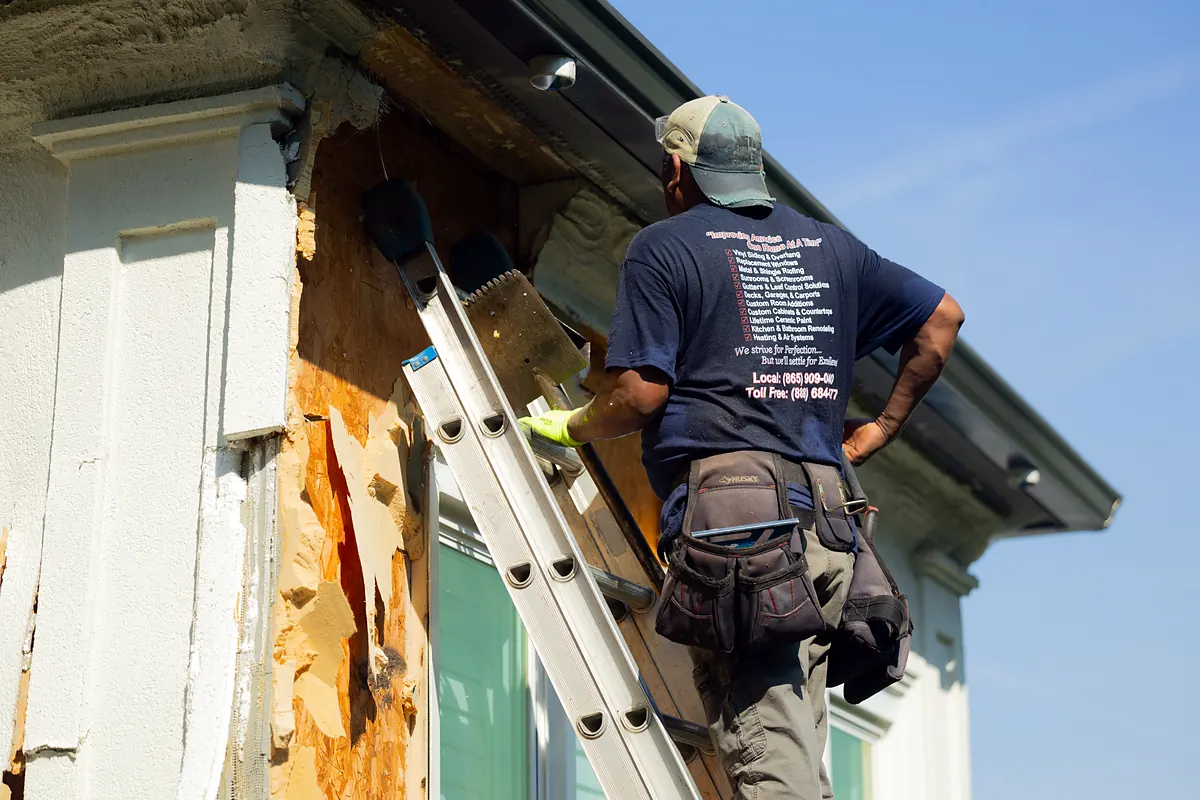
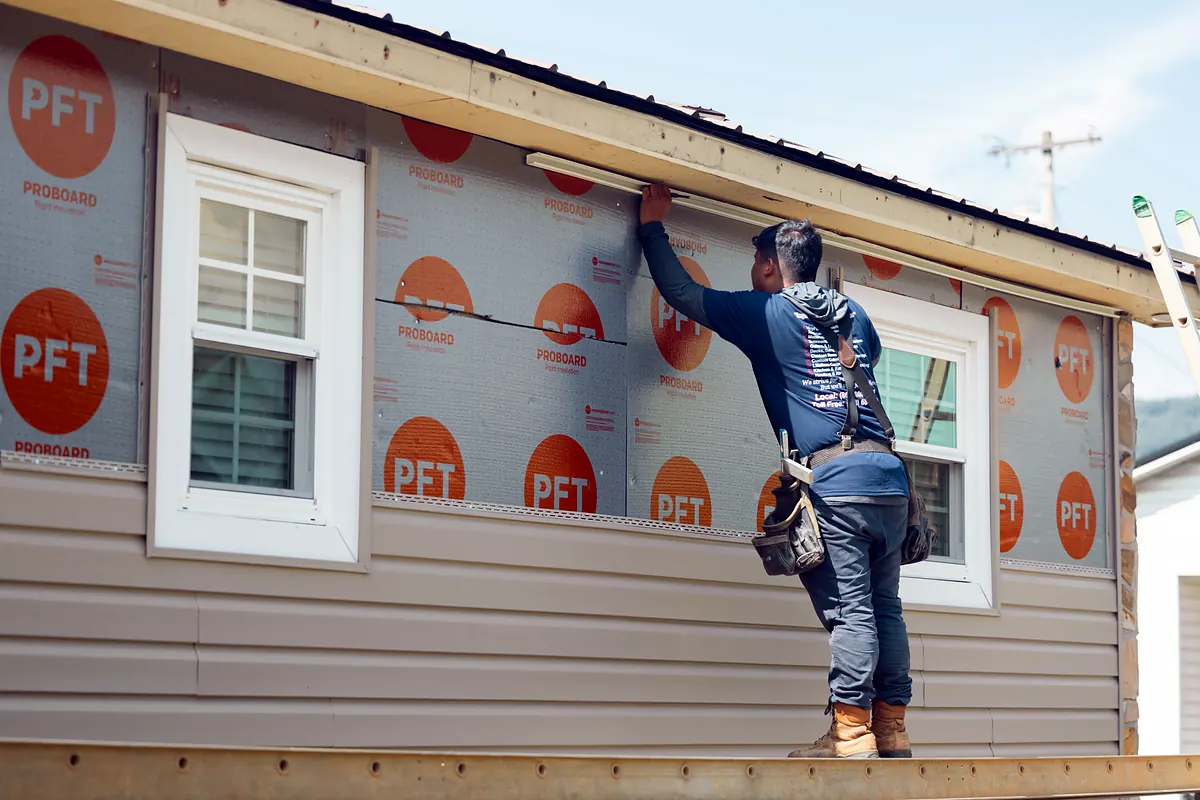
Why this matters: covering damaged sheathing with new siding hides the problem instead of fixing it. Ask any siding contractor how they handle rot they find during tear-off, and make sure the answer is in your written quote.
Repair or replace? When to replace siding
Spotting one of the signs your siding needs replacing doesn’t always mean a whole new exterior. Use this as a starting point to decide when to replace siding and when a repair will do:
| What you see | Usually a repair | Usually a replacement |
|---|---|---|
| Storm damage | A few cracked or loose boards on one wall | Damage on several walls or repeated storm damage |
| Rot or soft spots | One small, isolated area | Rot in several places, or rot in the sheathing |
| Warping or buckling | One section installed too tight | Waves across whole walls |
| Fading and upkeep | Color is fine, just needs a wash | Constant repainting or uneven fading |
| Matching | Replacement boards are still available | Your siding is discontinued and patches would stand out |
If you only need a fix, our siding repair service covers storm damage, rotted boards and loose panels. After a storm, read our hail damage siding guide first. If it is time for a full siding replacement, we will walk you through the options.
Choosing your new siding
The right siding depends on your budget, your home’s style and how much upkeep you want. Compare prices in our siding replacement cost guide and the pros and cons in vinyl vs fiber cement siding. These are the products we install most often in East Tennessee:
- James Hardie fiber cement: non-combustible, resists rot and pests, and holds its factory color for years.
- Alside vinyl siding: a budget-friendly, low-maintenance option that never needs painting.
- Everlast composite siding: solid composite boards built to resist moisture, impact and fading.
- Tando shake and stone: the look of cedar shake or stone for gables and accents, without the upkeep.
What a free siding inspection looks like
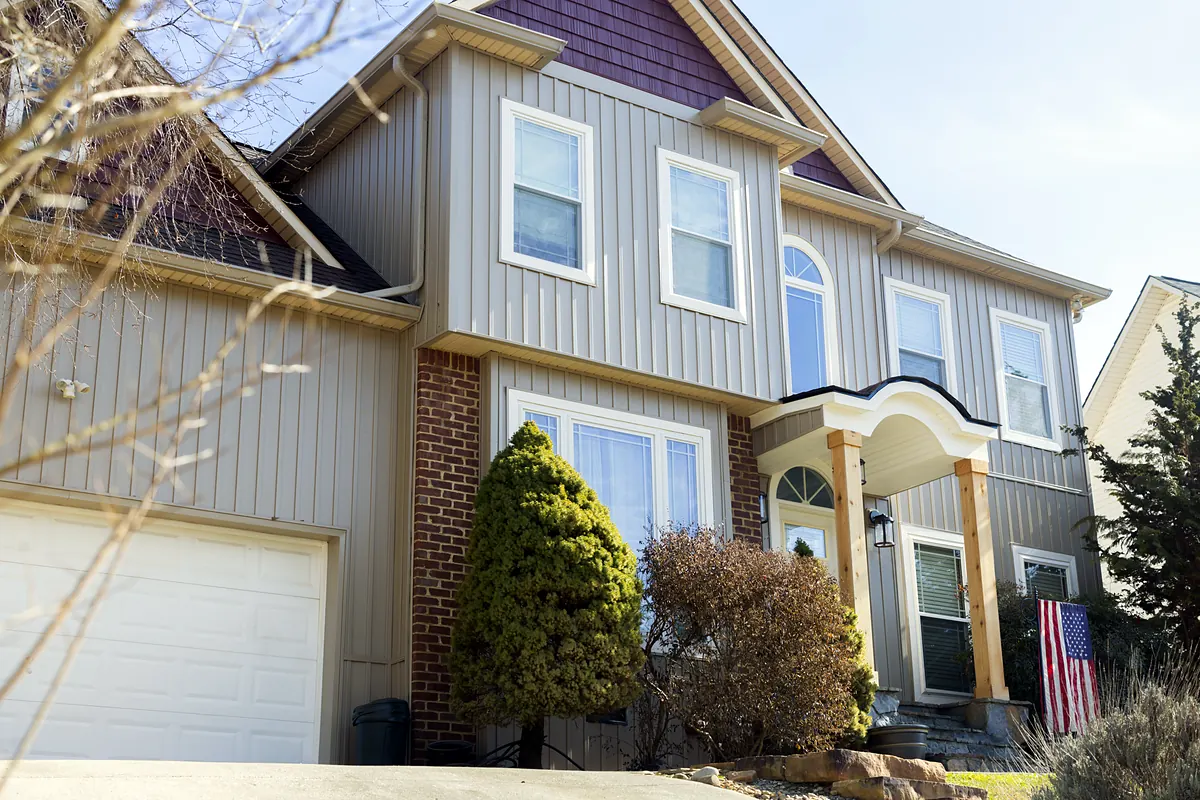
When you call American Home, a member of our team comes to your home, walks every wall with you and checks the trouble spots above. You get a clear written quote that spells out materials, labor, trim and cleanup, with no pressure to decide on the spot. Before you hire anyone, use our siding contractor checklist. Want to see finished work first? Browse our siding gallery.
Spotted signs your siding needs replacing? Call (865) 459-7753 or request a free estimate online. We serve Knoxville, Farragut, Maryville, Oak Ridge and communities across East Tennessee.
Frequently asked questions
What are the most common signs your siding needs replacing?
The most common signs your siding needs replacing are warped or buckled boards, soft or rotted spots, cracked or missing pieces after storms, peeling paint inside on exterior walls, recurring mold at seams, constant repainting, and rising energy bills. Two or more of these on the same wall usually means it is time for a professional inspection.
How long does siding last?
It depends on the material, the installation and the upkeep. Quality vinyl, composite and fiber cement siding commonly last for decades when they are installed correctly over a sound, well-flashed wall. Wood siding lasts only as long as it is kept sealed and painted.
When should I replace siding instead of repairing it?
Replace siding when damage shows up on several walls, when rot reaches the sheathing behind it, or when your siding is discontinued and patches would not match. If the problem is one small area, a repair is usually the better value.
Can I replace siding on just one side of my house?
Sometimes. If the damage is limited and matching boards are still made, a partial replacement can work. If your siding is discontinued or faded, new boards may not match, and many homeowners choose to re-side the whole house for a uniform look.
Is it OK to put new siding over old siding?
We don’t recommend it. Covering old siding hides any rot or water damage underneath, and it can make it harder to flash windows and doors correctly. A full tear-off lets us inspect and repair the wall first.
Is the siding estimate really free?
Yes. We measure your home, inspect the walls and give you a written quote at no cost and with no obligation.