Insulated vinyl siding looks like regular vinyl from the street, but each panel has a layer of rigid foam bonded to the back. That foam makes the siding stiffer, straighter and a little more energy efficient. Is it worth the extra cost? Here is what insulated siding is, what the research says about energy savings, what it costs and who should consider it.
In this article
What is insulated vinyl siding?
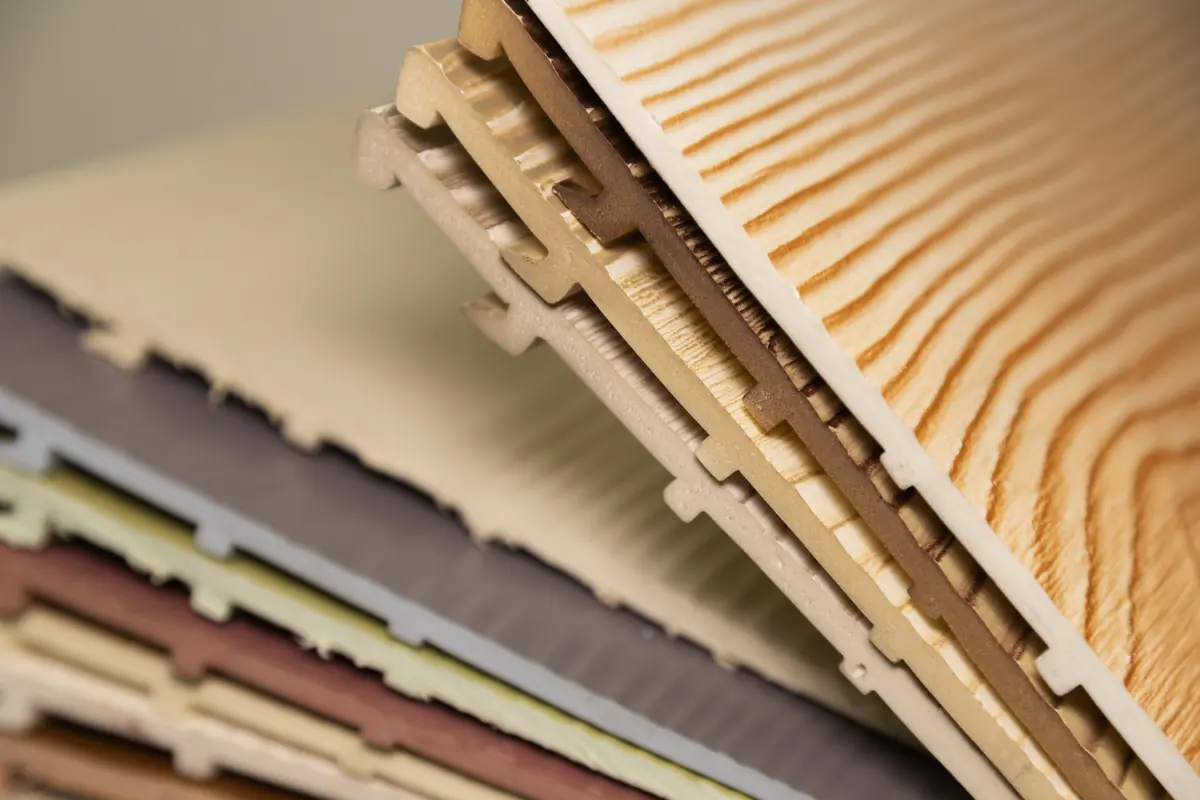
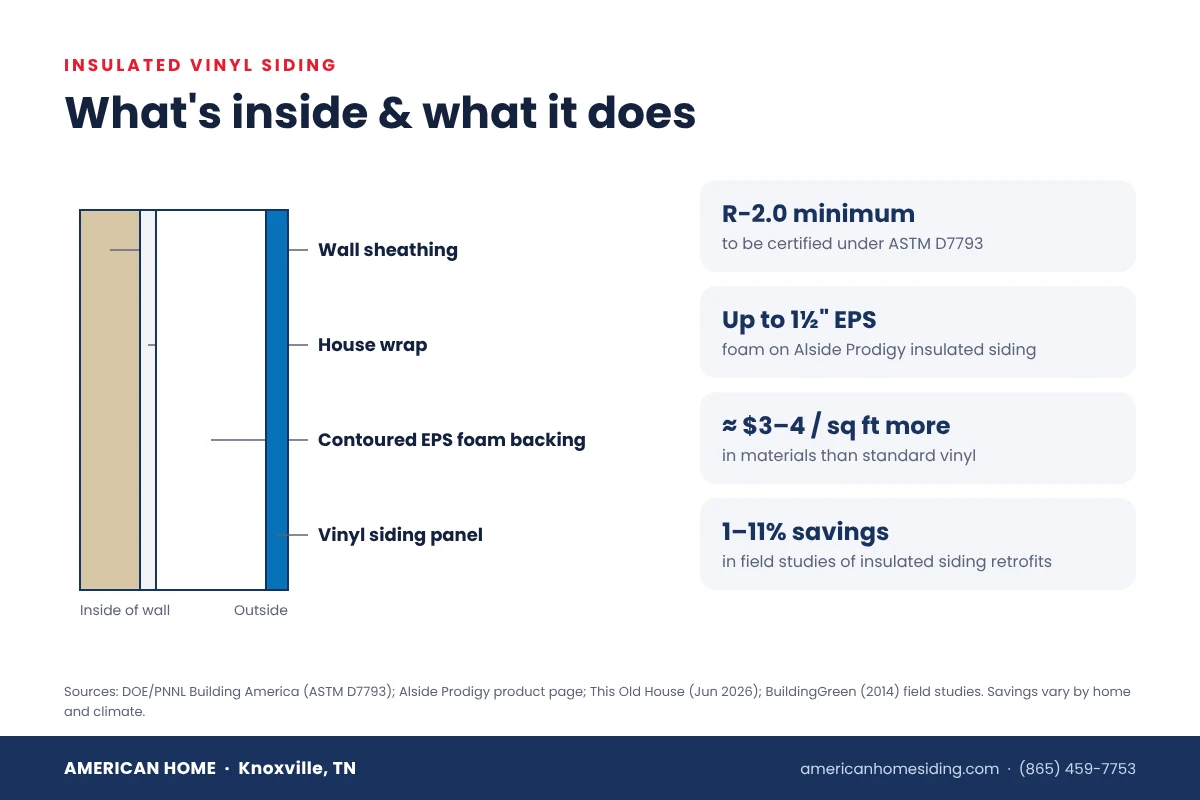
The Polymeric Exterior Products Association defines insulated siding as vinyl cladding with a substantial thickness of rigid foam insulation permanently attached. The foam is usually expanded polystyrene (EPS), contoured to fit tight against the back of the panel.
The Department of Energy’s Building Science Education program explains why that matters: the foam runs continuously across the wall, including over the studs, which reduces thermal bridging, where heat escapes through the wood framing.
How much insulation does it add?
Insulated siding certified under the ASTM D7793 standard must have an R-value of at least 2.0, and products are typically advertised from about R-2 to R-5. That is a modest amount of insulation, not a replacement for insulation inside your walls, but it does cover the studs that cavity insulation cannot.
Does insulated siding really save energy?
Honest answer: some, but not a lot. Field studies reviewed by BuildingGreen found utility savings ranging from about 1% to 11% depending on the home and climate, along with an improvement in airtightness of about 11%. Savings are largest in homes with older, leaky walls.
Other benefits of insulated vinyl siding
- Straighter walls: the foam backing stiffens each panel, so it lies flatter over uneven walls and resists waviness.
- Impact resistance: manufacturers say foam-backed panels resist dents and cracks better than hollow vinyl. Treat the exact numbers as manufacturer claims.
- Quieter rooms: some manufacturers claim reduced outside noise, though we did not find independent tests.
- A more solid feel: insulated panels sound and feel more like a solid wall when you knock on them.
Insulated vinyl siding cost
Expect to pay more than for standard vinyl. This Old House (June 2026) estimates insulated vinyl adds about $3 to $4 per square foot in materials. Fixr (January 2026) lists standard vinyl at about $4 to $7 per square foot installed and insulated vinyl at about $7 to $12. For a whole-house picture, see our siding replacement cost guide.
| Standard vinyl | Insulated vinyl | |
|---|---|---|
| Installed cost (Fixr, 2026) | About $4–$7 / sq ft | About $7–$12 / sq ft |
| Insulation | None | R-2 minimum (certified) |
| Feel on the wall | Thinner, more flexible | Stiffer and straighter |
| Energy savings | None | Modest (about 1–11% in studies) |
Alside insulated siding
Alside’s insulated line, Prodigy, uses up to 1½ inches of EPS foam, which Alside describes as the thickest available in a one-piece insulated siding system. It carries a lifetime limited warranty for the original owner that transfers as a 50-year prorated warranty.
Is insulated vinyl siding worth it in Knoxville?
Knoxville sits in climate zone 4A, a mixed-humid climate with hot summers and cold snaps, so both heating and cooling bills matter. Insulated siding makes the most sense if:
- Your walls are uneven and you want the straightest possible finish
- You are already replacing siding and want a sturdier, quieter panel
- Your home has little or no insulation over the studs
- You plan to stay long enough to enjoy the comfort and small energy savings
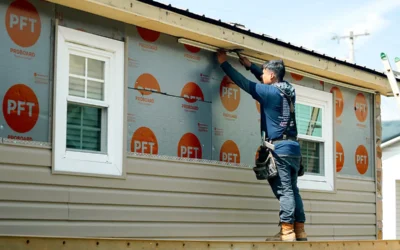
It makes less sense if your budget is tight and your walls are already well insulated. Either way, it should go over a proper weather-resistive barrier. Read how long vinyl siding lasts to see how insulated panels compare.
Want to feel the difference? Call (865) 459-7753 or request a free in-home estimate. We will bring standard and insulated vinyl samples and price both for your home.
Insulated vinyl siding FAQ
Is insulated vinyl siding worth the money?
For many homeowners, yes for comfort, straight walls and durability, but the energy savings alone are modest, typically single digits.
What R-value does insulated siding have?
Certified insulated siding must be at least R-2.0. Many products are advertised between about R-2 and R-5.
Does insulated siding cause moisture problems?
When it is installed over a proper weather barrier, field research has not found a significant loss of drying in the wall. Good flashing at windows and doors still matters most.